
CRAFT & DIALOGUE
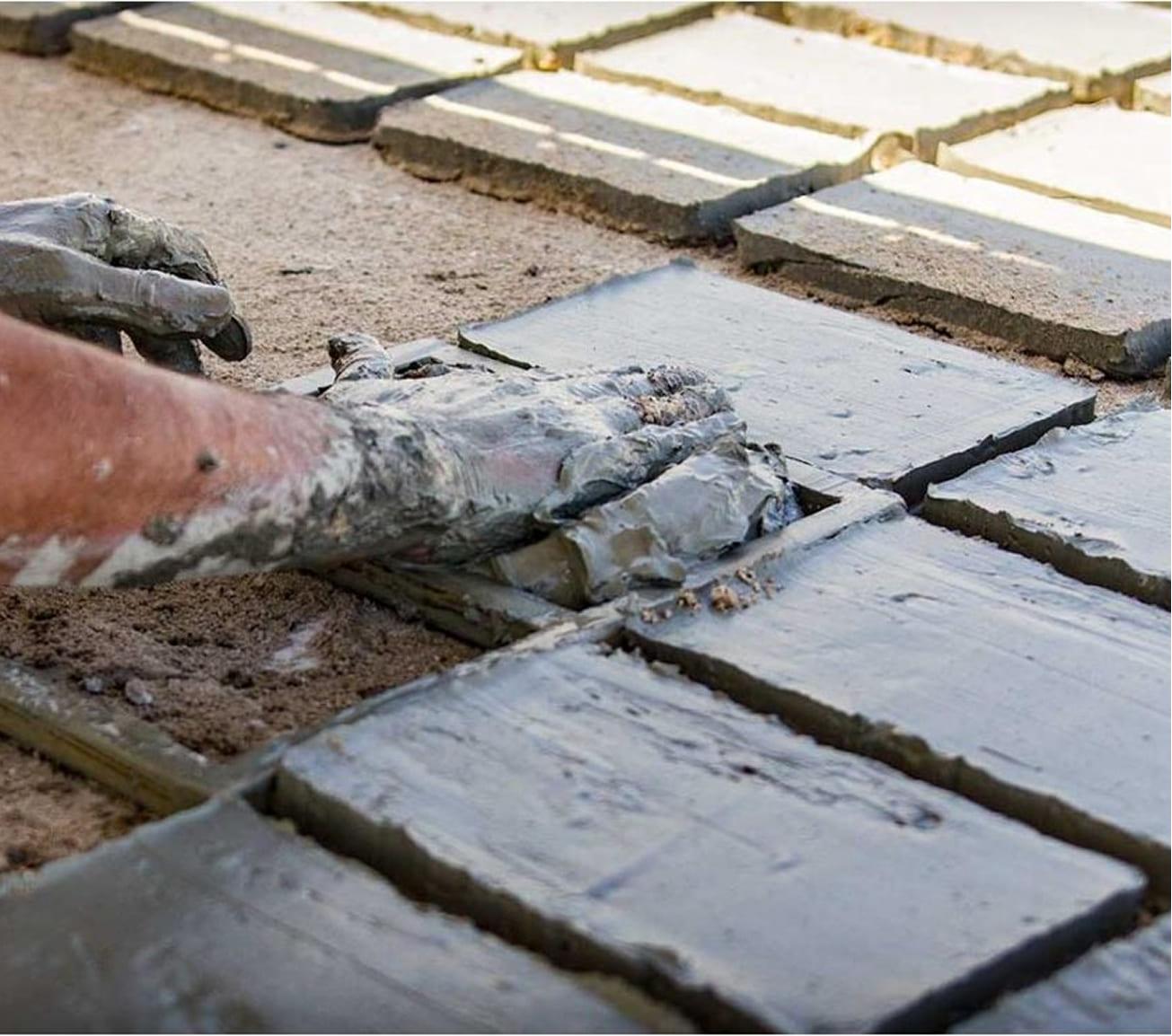
The making of zellij begins with the earth.
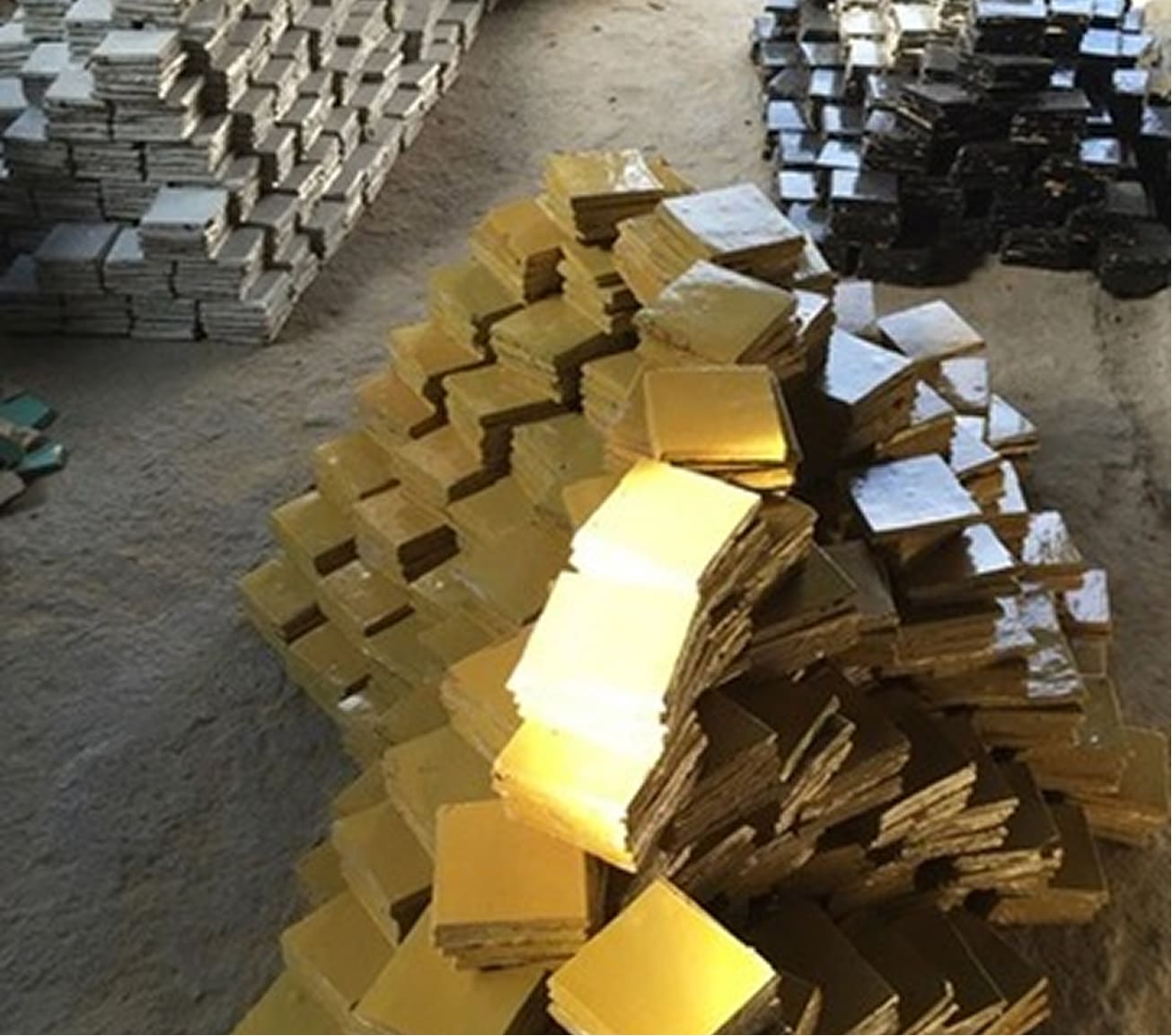
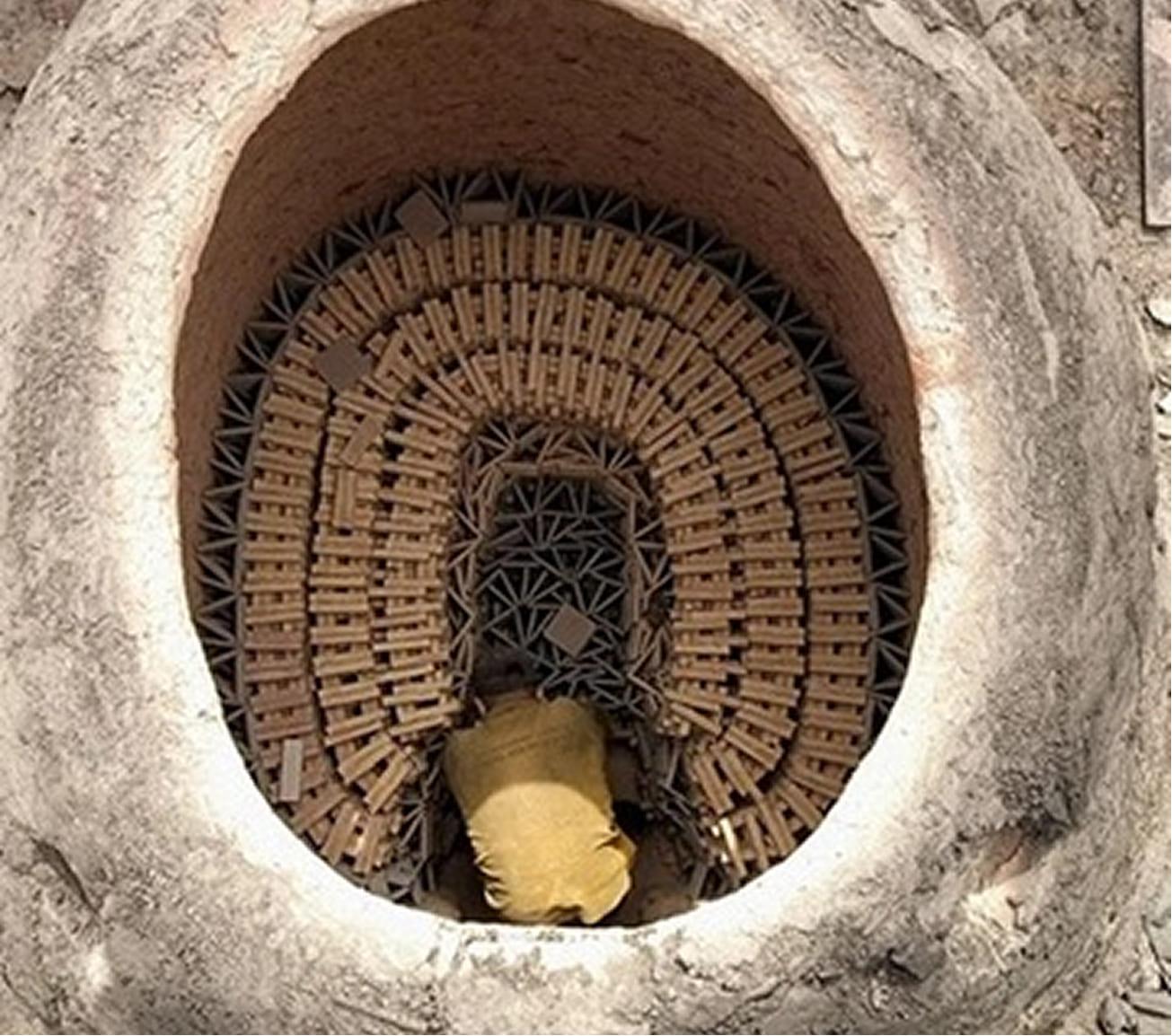
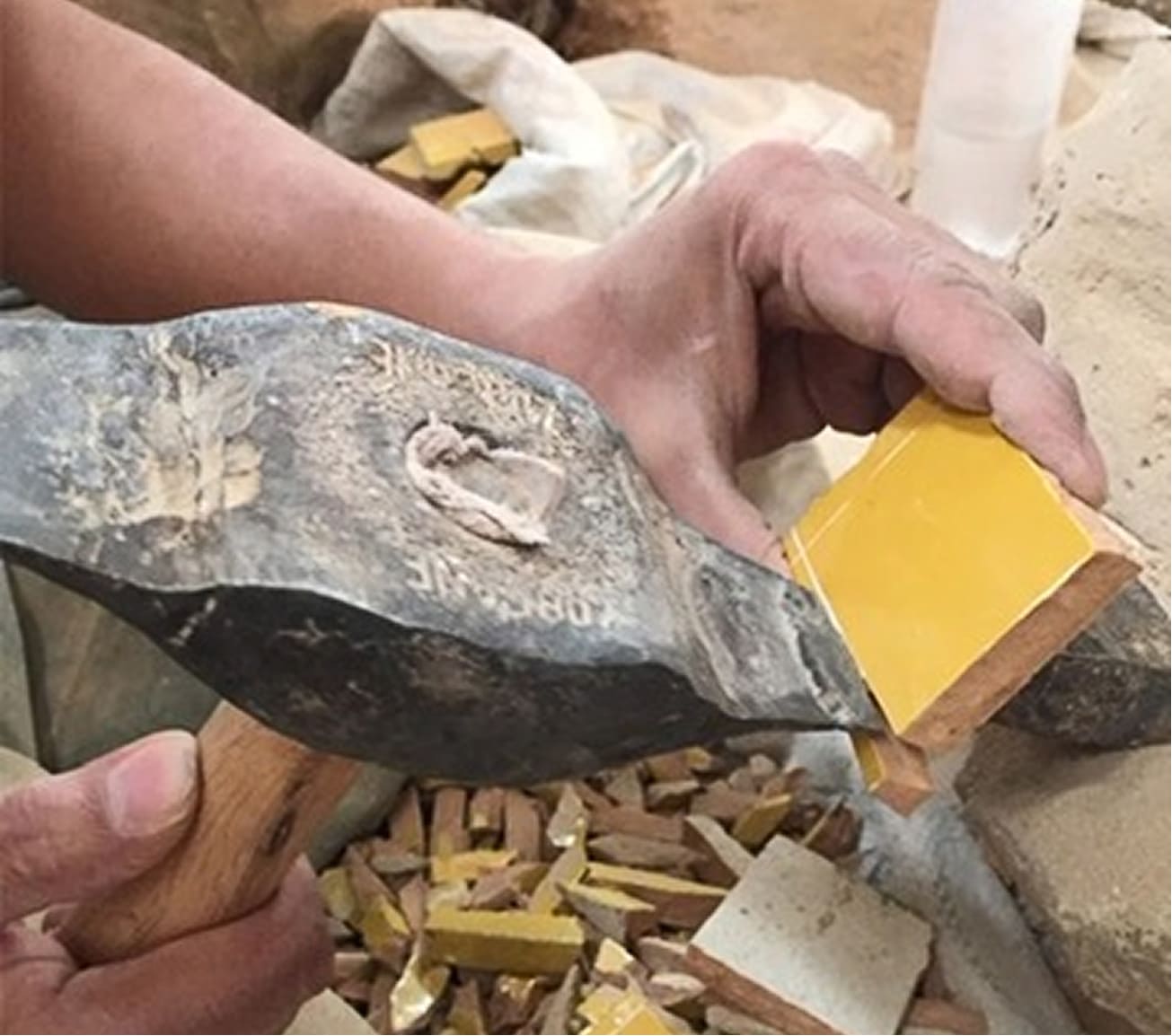
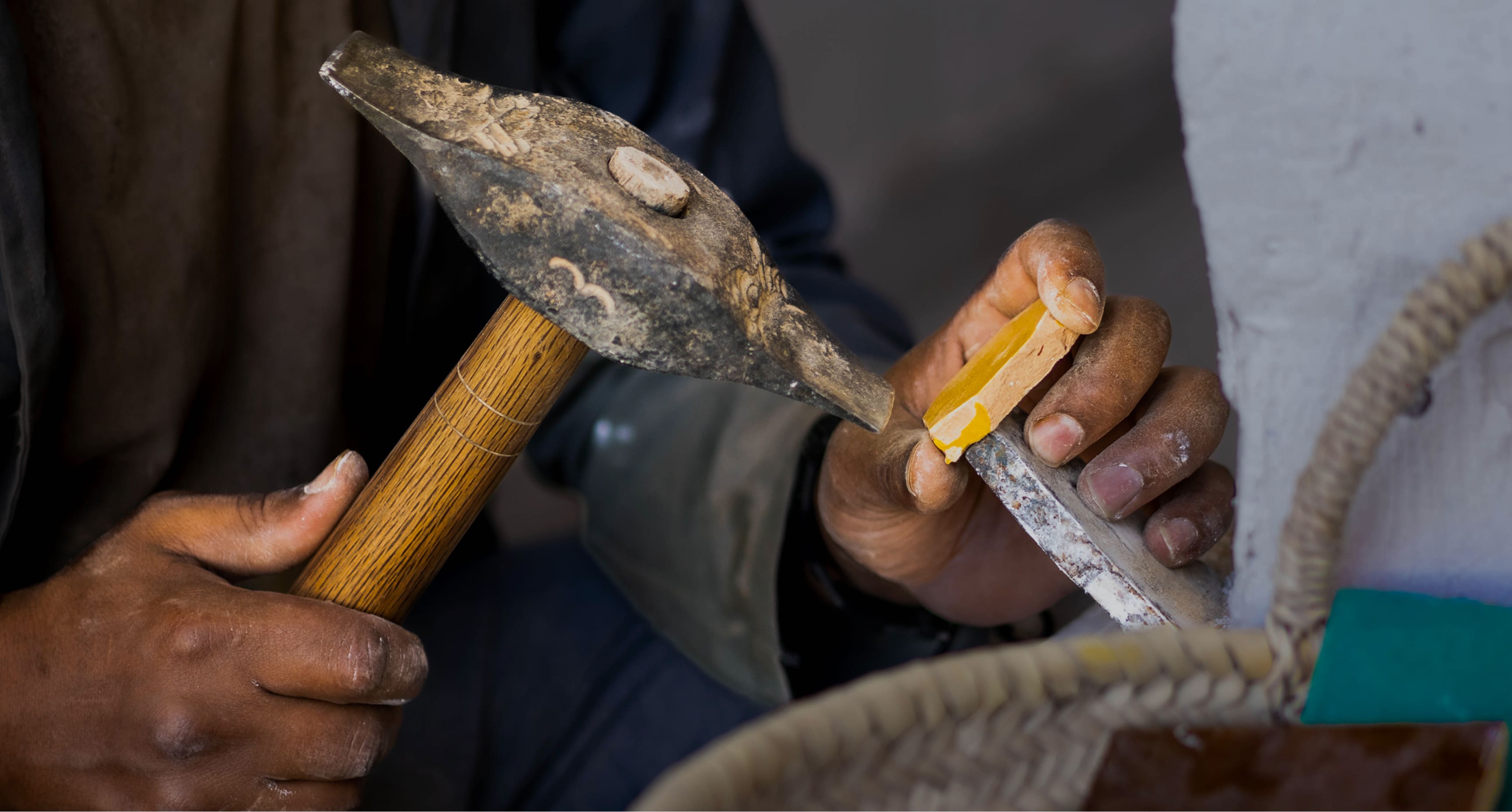
After glazing, the tiles are cut by hand. Using simple tools and practiced gestures, skilled artisans shape each piece according to precise geometric rules. This stage demands years of training, as accuracy must coexist with speed and intuition. Slight irregularities introduced during cutting are not corrected, but accepted as part of the craft.
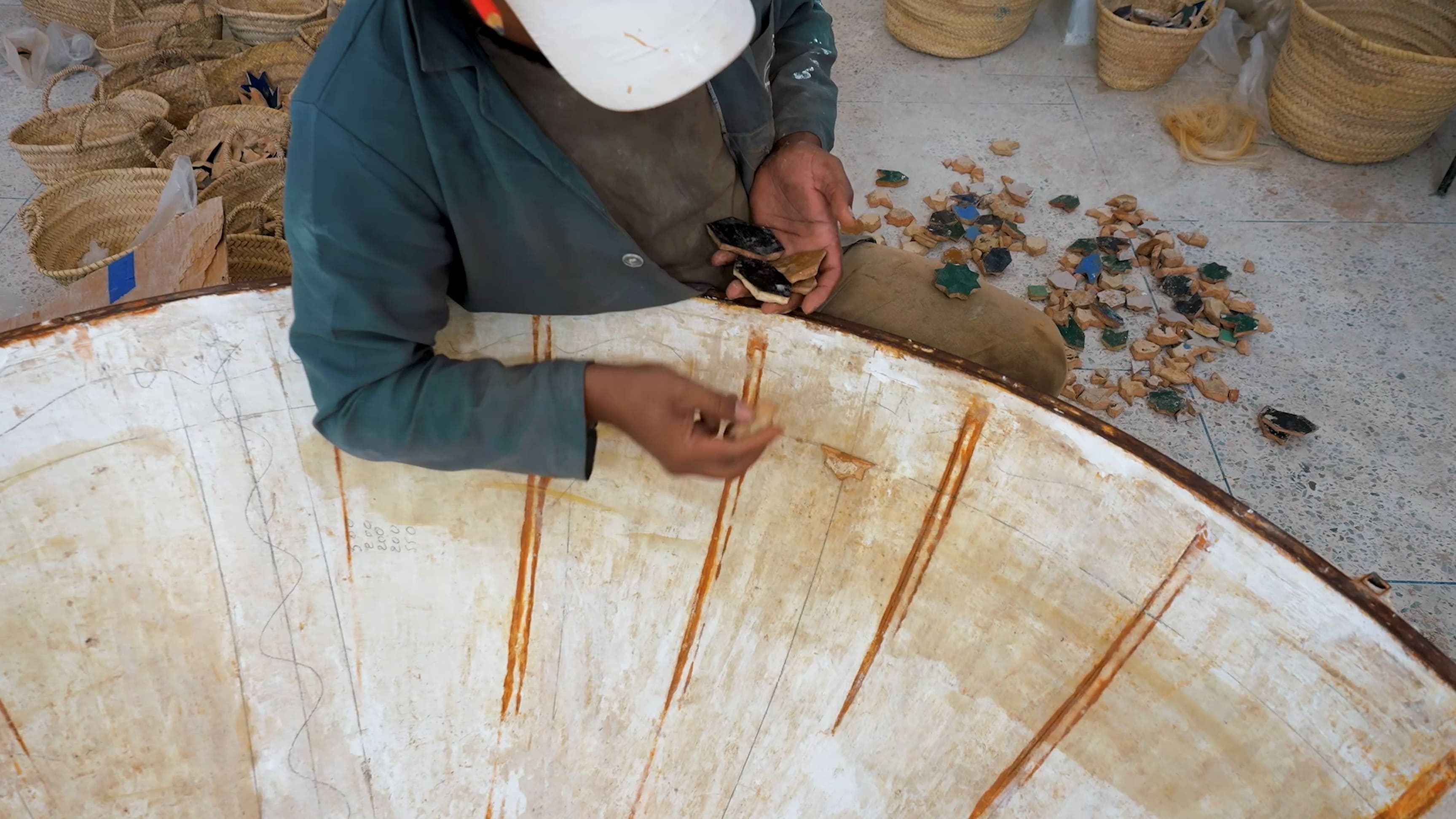
The individual elements are then assembled face down into complex compositions. Patterns emerge through repetition and alignment, guided by mathematical order rather than visual improvisation. Only once the surface is complete is the work fixed, revealing the final composition.
What results is not a product, but a surface shaped through time, material, and human skill. Each piece carries the trace of its making, reflecting a process defined by discipline, collaboration, and respect for craft.
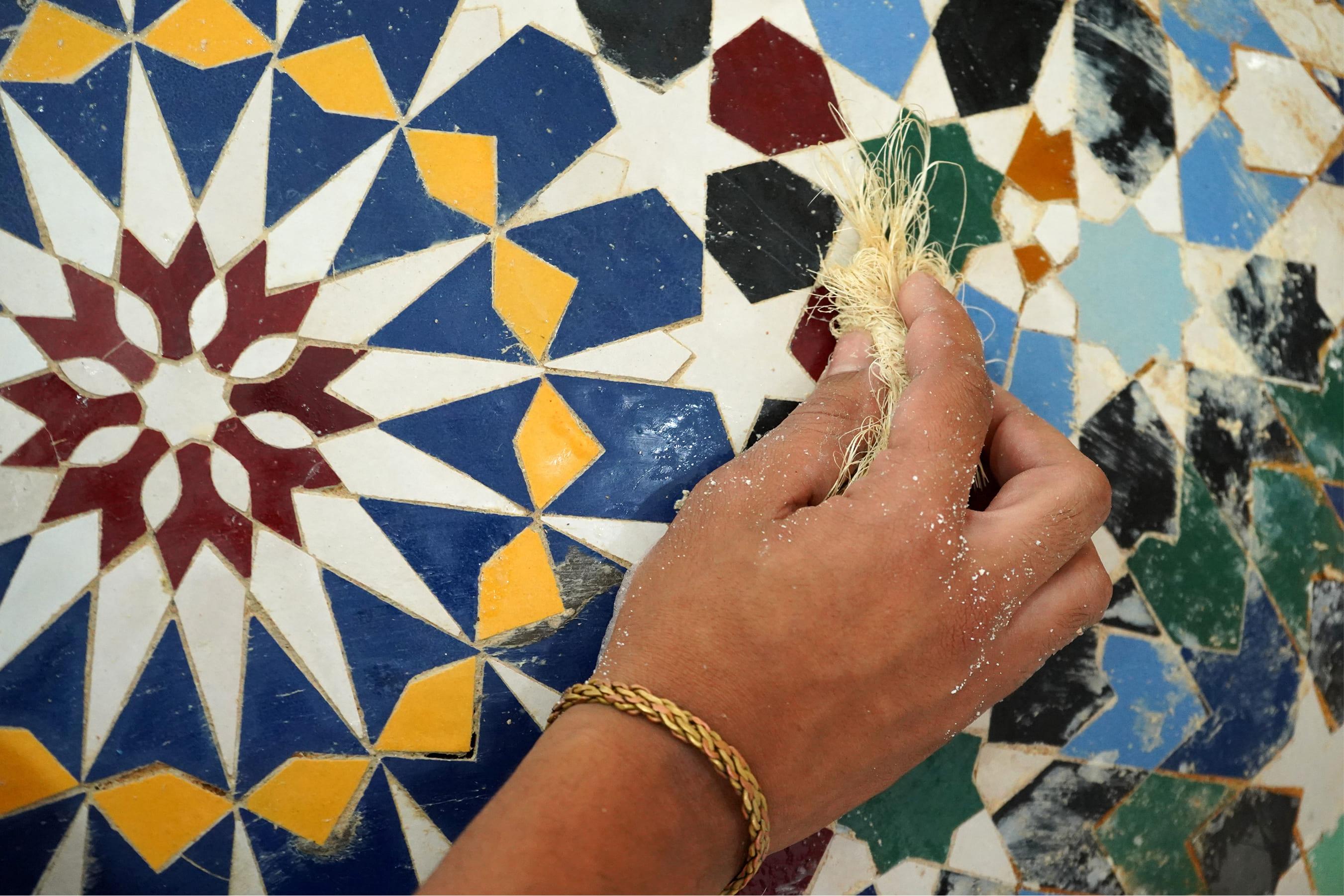
What results is not a product, but a surface shaped through time, material, and human skill. Each piece carries the trace of its making, reflecting a process defined by discipline, collaboration, and respect for craft.